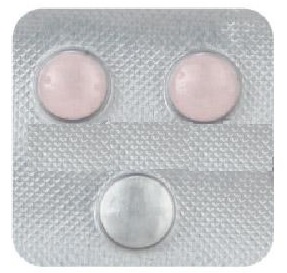
Ivermectin treats head lice in two forms: a single-use 0.5% topical lotion (brand name Sklice), FDA-approved for ages 6 months and up, and an off-label oral tablet dosed by body weight. Ivermectin kills live lice but doesn’t directly kill eggs — it works by preventing newly hatched nymphs from surviving.
Head lice are stubborn, and if you’ve ever dealt with an infestation that came back after a drugstore shampoo, you know why so many parents and adults start researching alternatives. Ivermectin is one of the newer options in the lice-treatment lineup, available both as a single-use topical lotion sold under the brand name Sklice and, in more resistant cases, as an off-label oral tablet. This guide explains how ivermectin works against lice, whether it actually kills lice eggs, how Sklice compares to other treatments, and what the clinical research says about oral dosing — based on guidance from the CDC, FDA drug labeling, and peer-reviewed trials. As always, this is educational information, not a substitute for a conversation with your doctor or pharmacist about your specific situation.
What Is Ivermectin and How Does It Treat Lice?
Ivermectin is an antiparasitic medication used for a range of parasitic conditions, but in the context of lice, it comes in two forms: a topical 0.5% lotion applied directly to the scalp, and an oral tablet taken by mouth. Both work the same basic way — by disrupting the nerve and muscle function of lice, which paralyzes and kills them.
The FDA approved topical ivermectin lotion for head lice in February 2012, and it’s approved for people 6 months of age and older. Oral ivermectin, by contrast, is not FDA-approved for lice; when a clinician prescribes it for this purpose, it’s considered an off-label use, typically reserved for infestations that haven’t responded to topical treatments.
Ivermectin Lotion for Lice (Topical Treatment)
Topical ivermectin lotion is applied to dry hair and scalp and left in place for 10 minutes before being rinsed out with water. One 4-ounce tube is designed to treat a single infestation, and unlike many older lice treatments, it doesn’t require nit combing afterward.
How to use it
Apply the lotion to dry hair and scalp, covering both thoroughly, and leave it in place for 10 minutes. Rinse it out with water — clinical guidance recommends rinsing over a sink rather than in the shower or bath, using warm rather than hot water, to limit how much product reaches the rest of the skin. One tube covers one treatment; it’s meant to be used once.
Effectiveness
Clinical trial data published in the New England Journal of Medicine, along with CDC guidance, show that a single application is effective in most patients. That said, the CDC notes that ivermectin lotion “should not be used for retreatment without talking to a healthcare provider,” so if lice are still present after treatment, the next step is a conversation with a provider rather than automatically reapplying.
Side effects
Topical ivermectin is generally well tolerated. In clinical trials, the most commonly reported side effects were mild eye irritation (in about 0.5% of patients) and a burning sensation on the skin (about 0.3%). Trial data has not shown reports of serious adverse reactions associated with its use.
What Is Sklice? (Brand-Name Ivermectin Lotion)
Sklice is the FDA-approved brand name for 0.5% ivermectin lotion. Each box contains one 4-ounce tube, sized for a single treatment. It was originally available by prescription only, but the FDA later approved it for nonprescription (over-the-counter) sale, so it’s now available without a prescription in the U.S.
Compared with older lice treatments, Sklice’s main selling points are convenience and simplicity: one application, no nit combing, and — based on the clinical trials submitted to the FDA — no reports of serious adverse reactions among the patients studied. If you’re comparing products at the pharmacy, checking the active ingredient (ivermectin 0.5%) on the label is the simplest way to confirm you’re looking at Sklice or its generic equivalent, since store brands may not always carry the Sklice name.
Does Ivermectin Kill Lice Eggs (Nits)?
This is one of the most common points of confusion, and the honest answer is nuanced. According to CDC guidance, topical ivermectin does not directly kill lice eggs — it isn’t classified as ovicidal. What it does appear to do is prevent newly hatched nymphs (baby lice) from surviving long enough to feed and reproduce.
That distinction matters because it explains why a single application can still clear an infestation without the nit-combing step that other treatments require. Even though the eggs themselves survive treatment, the lice that hatch from them are unable to establish a new, viable population. If live, crawling lice are still visible more than about a week after treatment, that’s a signal to check in with a healthcare provider rather than assuming the treatment failed outright. Some sources online claim ivermectin kills nits outright — that broader claim isn’t consistent with CDC clinical guidance or the underlying trial data.
Oral Ivermectin for Lice
When it’s used
Oral ivermectin isn’t a first-line treatment. It’s generally reserved for infestations that haven’t responded to topical options, including cases where lice may have developed resistance to other pediculicides.
Typical dosing reported in clinical literature
Clinical studies, including a pivotal trial published in the New England Journal of Medicine, have used a single oral dose of 200 micrograms per kilogram of body weight, or a higher 400 mcg/kg dose, with a second dose repeated 7 to 10 days later to catch any lice that hatch from surviving eggs. Oral ivermectin is not FDA-approved for treating lice, and it isn’t recommended for children weighing less than 15 kg or for pregnant individuals.
A note on safety
Because dosing is based on body weight and the medication is prescription-only, oral ivermectin for lice should only be used under the direction of a licensed healthcare provider. The information above reflects what’s been studied in clinical trials — it is not dosing instructions. It’s also worth stating plainly: ivermectin products formulated for animals (livestock or veterinary use) are not safe substitutes for human medication and should never be used to treat lice.
Ivermectin vs. Other Lice Treatments
Ivermectin isn’t the only option for treating head lice, and it isn’t automatically the best choice for everyone. Here’s how it compares with other FDA-approved treatments, based on CDC clinical guidance:
| Treatment | Kills eggs? | Retreatment needed? | Min. age | Rx status |
|---|---|---|---|---|
| Ivermectin 0.5% lotion (Sklice) | No (blocks nymph survival) | Not usually | 6 months+ | OTC |
| Permethrin 1% (Nix) | No | Often, ~day 9 | 2 months+ | OTC |
| Malathion 0.5% (Ovide) | Partially | Sometimes, day 7–9 | 6 years+ | Prescription |
| Spinosad 0.9% (Natroba) | Yes | Rarely | 6 months+ | Prescription |
Ivermectin lotion’s main differentiator is convenience — a single application without nit combing — while spinosad is currently the only option in this group considered directly ovicidal, meaning it kills eggs as well as live lice.
Safety, Side Effects & Who Should Avoid Ivermectin
Most people tolerate ivermectin lice treatments well, but a few groups should take extra precautions. Topical use can cause mild skin or eye irritation in a small percentage of users. Oral ivermectin has a different side effect profile, since it’s absorbed systemically — it can cause dizziness, nausea, vomiting, or abdominal discomfort in some people.
- Pregnant or breastfeeding individuals, for whom oral ivermectin generally isn’t recommended due to limited safety data
- Children under the weight or age thresholds specified on the product label
- Anyone with broken skin, sores, or irritation at the treatment site
If irritation worsens, you notice signs of an allergic reaction, or live lice are still present after a complete course of treatment, contact a healthcare provider rather than repeating treatment on your own.
Key Takeaways
- Ivermectin treats lice as a single-application 0.5% topical lotion (Sklice) or as an off-label oral tablet.
- It doesn’t kill lice eggs directly, but it stops newly hatched nymphs from surviving — which is why nit combing isn’t required with topical use.
- Oral dosing is weight-based, prescription-only, and requires a repeat dose about a week later.
- Always confirm your treatment choice and dosing with a healthcare provider or pharmacist, especially if you’re pregnant, treating a young child, or considering oral ivermectin.
Frequently Asked Questions
No, not directly. According to the CDC, topical ivermectin isn’t ovicidal, but it appears to prevent newly hatched nymphs from surviving, so a single treatment can still clear an infestation without nit combing in most cases.
Ivermectin lotion (0.5%) is applied once to dry hair and scalp for 10 minutes, then rinsed out. It paralyzes and kills live lice and prevents surviving eggs from producing viable offspring, typically in a single application.
Sklice is the FDA-approved brand name for 0.5% ivermectin lotion, sold over-the-counter for treating head lice in people 6 months and older. It uses the same active ingredient as generic topical ivermectin lotion.
Clinical studies use a single weight-based dose of 200–400 mcg/kg, repeated after 7–10 days. It’s off-label, prescription-only, and not advised for children under 15 kg or pregnant individuals — dosing must be set by a healthcare provider.
Both kill live lice but not eggs. Ivermectin lotion’s main advantage is a single application without nit combing, while permethrin often needs a second treatment around day 9. Effectiveness can vary with local resistance patterns.
Topical ivermectin lotion is typically applied once and rinsed after 10 minutes; most people see lice cleared within one treatment cycle, with continued protection against newly hatched nymphs for about two weeks.
Oral ivermectin tablets aren’t recommended during pregnancy due to limited safety data. Anyone who is pregnant or breastfeeding should talk to a healthcare provider before using any ivermectin-based lice treatment, topical or oral.
No. Unlike permethrin or pyrethrin products, ivermectin lotion (Sklice) is designed to work effectively as a single application without nit combing, according to CDC and FDA labeling.
This article is for general educational purposes and reflects publicly available CDC, FDA, and peer-reviewed clinical data as of 2026. It is not medical advice. Talk to a healthcare provider or pharmacist about the treatment that’s right for you or your child..